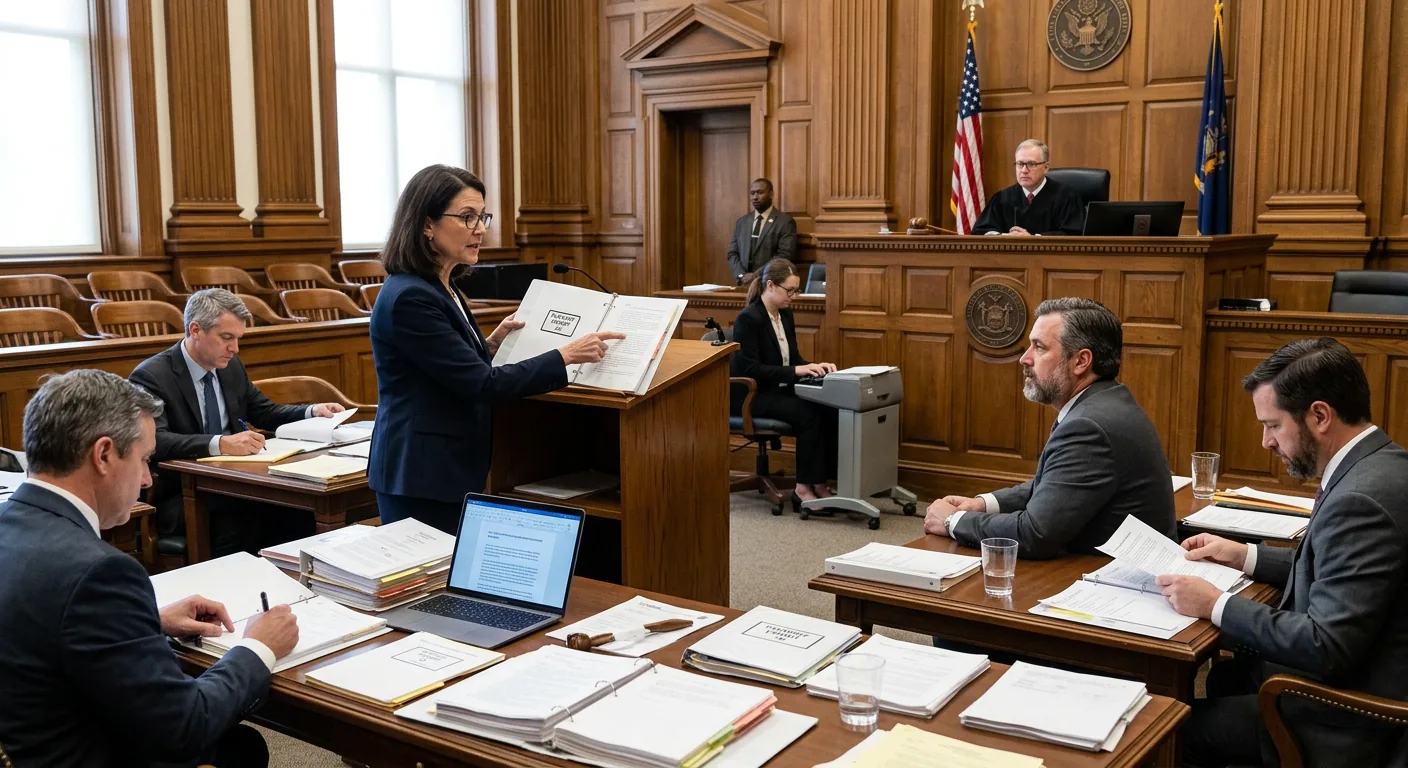
Quick Takeaway
Primary Insight: The decision over whether to escalate a business dispute into litigation or resolve it through settlement should be driven by California's fee-shifting and cost-shifting rules, not by which side feels more wronged.
Key Outcome: Under Civil Code §1717, a one-sided attorney fee clause in a contract becomes automatically reciprocal. Whoever actually wins can recover fees, even where the contract only designates attorney fees to one party.
Best Suited For: Business owners weighing whether to pursue or settle a dispute with a vendor, partner, customer, or competitor.
Most business owners approach a dispute with a straightforward question: are we right? A business litigation attorney takes a different, more practical approach, and considers what the math actually looks like if an aggrieved party pursues litigation rather than offering or accepting a settlement.
California law contains several financial mechanisms that directly affect that calculation: an arbitration clause that might already control where the fight happens, a fee-shifting statute that can make a one-sided contract clause cut both ways, and cost-shifting rules that punish a party for rejecting a reasonable settlement offer. None of these factors will likely be considered in a gut-level analysis of “who's in the right,” but all of them can determine whether litigating or settling is the more optimal business decision.
This post walks through what a business litigation attorney evaluates before recommending either path, and explains the specific rules that tend to tip the decision one way or the other.
What a Business Litigation Attorney Checks First
Before any strategy discussion about escalating or settling, the first question is jurisdictional: does the contract at issue already require arbitration instead of a lawsuit? Many business owners are surprised to learn that a boilerplate arbitration clause buried in a vendor agreement or partnership document can take the decision to litigate out of their hands entirely.
Under California Code of Civil Procedure §1281.2, a court must compel arbitration once a party shows that a valid written arbitration agreement exists. In practice, this often results in wasted time and legal fees when one party overlooks an inconspicuous arbitration clause and files a lawsuit, only to have the other side successfully move the case out of court. There are specific exceptions that may apply in some circumstances, where the right to arbitrate has been waived, grounds exist to rescind the agreement, or the dispute is tangled up with related litigation involving a third party who isn't bound by the arbitration clause. However, such exceptions are based on specific elements and can never be presumed. In any case, confirming what the governing agreement actually requires is always the first step, before any decision is made to escalate by initiating litigation.
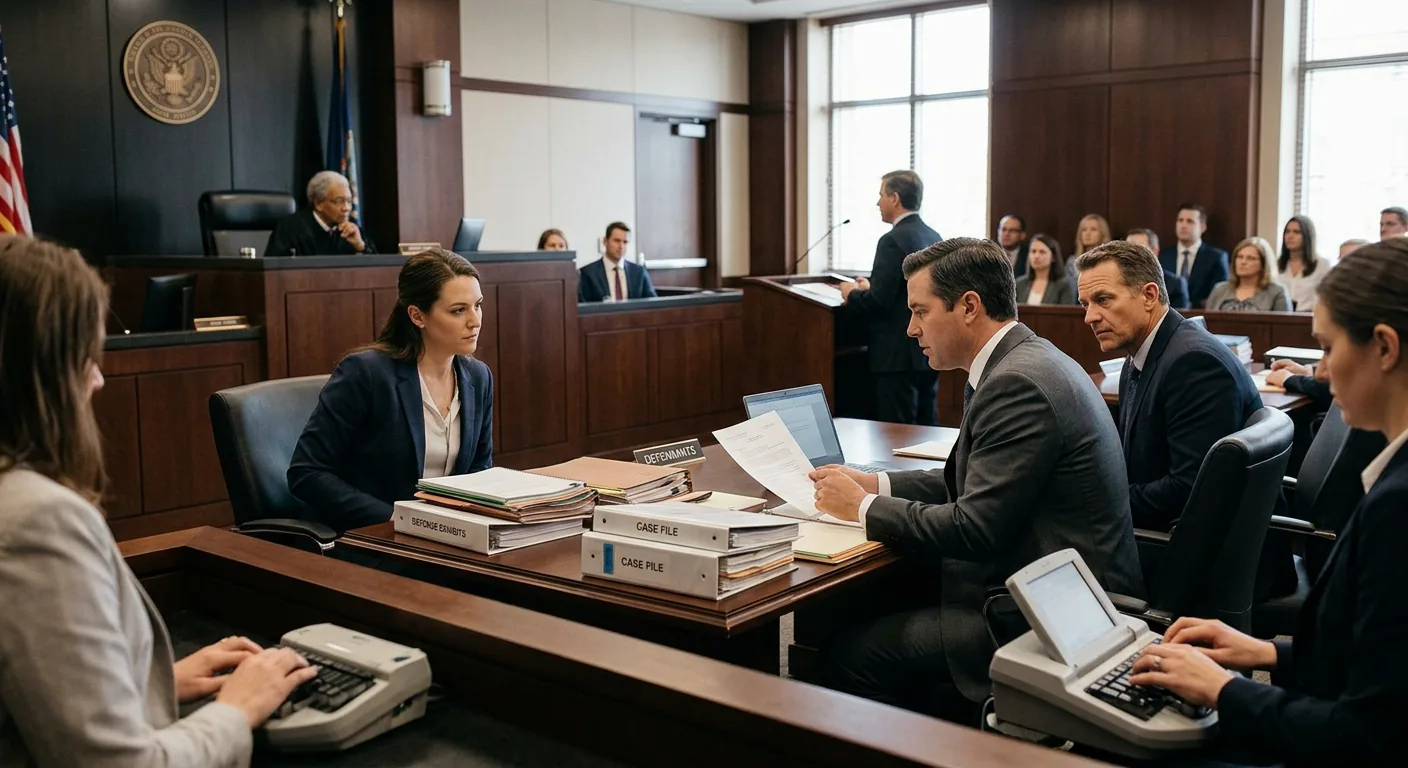
The Real Cost Calculus: Attorney Fees Aren't Always a One-Way Street
Many contracts include an attorney fee clause that appears to favor one side, with language stating that if a dispute arises, the drafting party maintains the sole right to recover its attorney fees. Business owners often read that clause as one-directional protection. It isn't.
California Civil Code §1717 makes contractual attorney fee provisions reciprocal by operation of law. If a contract contains such a provision, then whoever is determined to be the prevailing party in a dispute will be entitled to recover reasonable attorney fees, regardless of which party the contract originally named. A business that assumes its one-sided fee clause only exposes the other side to risk is operating on a very mistaken assumption, as this risk will be borne by both parties equally. This statute also voids any attempt to waive that reciprocity in the contract itself. Therefore, the potential impact of §1717 is a critical factor in calculating the real financial exposure faced by both parties when a contract dispute is escalated.
CCP 998 Offers: Why a Reasonable Settlement Offer Changes the Math
Once litigation is underway, California Code of Civil Procedure §998 creates a formal mechanism for settlement offers that carries real financial teeth. A party can serve a written offer to compromise at least 10 days before trial, and if the other side rejects it and then fails to do better at trial than the offer, the consequences are significant.
When a defendant makes the offer and the plaintiff rejects it, then recovers less at trial than the amount specified in the settlement offer, the plaintiff loses the right to recover its own post-offer costs, has to pay the defendant's post-offer costs, and may be on the hook for the defendant's post-offer expert witness fees. In practice, this means that rejecting a genuinely reasonable settlement offer carries real financial risk beyond just losing the underlying case, which is exactly why a well-timed CCP 998 offer is one of the more effective tools for pushing a dispute toward resolution.
When Escalating to Litigation Makes Sense
None of this means settling is always the right call. Litigation may be the better business decision when the other party has shown no interest in resolving the dispute in good faith, and when a favorable judgment would be realistically collectible (where the other side has assets or ongoing business operations worth pursuing). In some circumstances, when a dispute involves a recurring practice or pattern of conduct by one party that is detrimental to the other, litigation may be necessary to deter such conduct by creating a tangible consequence for the offending party.
Litigation can also be the right call when a business needs a clear, binding precedent for how a recurring type of dispute gets handled, particularly for businesses with standard contracts used across many customers or vendors, where a single resolved case can meaningfully change how future disputes get approached. In those situations, the cost of litigation is offset by the value of the outcome extending beyond the single dispute in front of the court.
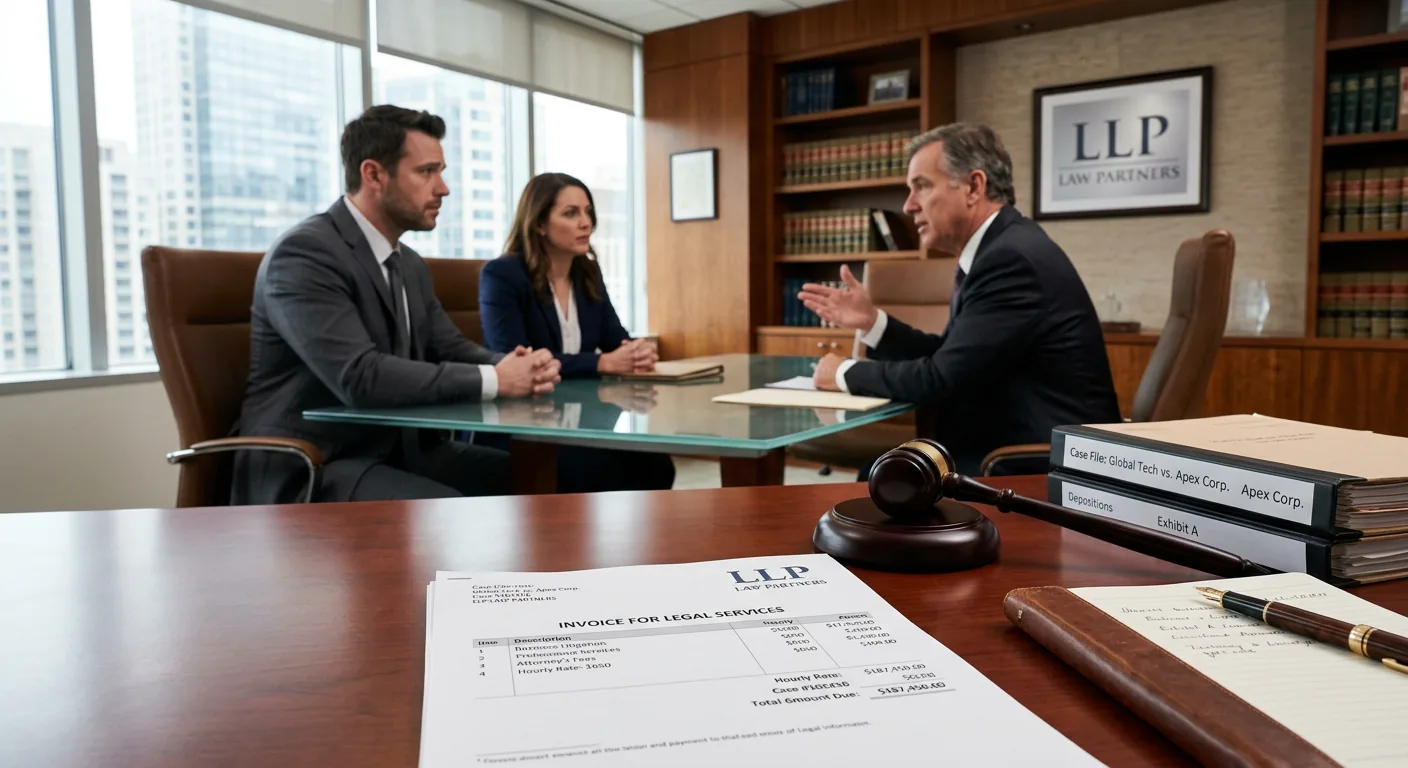
When Settling Is the Better Business Decision
Settling is often the stronger business decision, when the cost and disruption of discovery, depositions, document production, and lost time outweigh the likely recovery, or when the underlying business relationship still has value worth preserving. It's also often the better call when the outcome at trial is genuinely uncertain and a party would rather control the outcome through negotiation than hand that decision to a judge or jury.
The CCP 998 framework described above gives a settlement offer real leverage in these situations. A well-calibrated offer, one that reflects a realistic litigation outcome rather than an aggressive opening position, puts pressure on the other side to resolve the matter or risk the financial consequences of rejecting it. Businesses that treat settlement offers as a genuine strategic tool, not just a concession, tend to resolve disputes faster and for less than businesses that treat any settlement discussion as losing.
Building the Decision With Counsel Early
The businesses that make the best escalate-or-settle decisions are the ones that bring in a business litigation attorney before filing anything, not after a lawsuit is already underway. That early involvement means confirming whether an arbitration clause controls the dispute, understanding the real fee exposure under Civil Code §1717, and building a CCP 998 strategy into the case from the outset rather than as an afterthought once litigation costs are already mounting.
Business Litigation Attorney FAQs
What does a business litigation attorney do?
A business litigation attorney represents businesses in disputes with vendors, partners, customers, or competitors, evaluating whether to pursue litigation, arbitration, or settlement, and representing the business through whichever path is chosen. The role includes assessing the actual cost and risk of each option, not just arguing the underlying merits of the dispute.
Can I be forced into arbitration instead of court for a business dispute?
Yes. Under California Code of Civil Procedure §1281.2, a court must compel arbitration once a party demonstrates a valid written arbitration agreement covers the dispute, with only narrow exceptions such as waiver or grounds for rescission. Reviewing the governing contract for an arbitration clause should be the first step before pursuing litigation.
Who pays attorney fees in a California business lawsuit?
Attorney fees generally follow the "American Rule" and are not automatically recoverable unless a statute or contract provides otherwise. When a contract includes an attorney fee clause, California Civil Code §1717 makes that clause reciprocal, meaning that the prevailing party can recover fees, regardless of which party the contract originally named.
What is a CCP 998 offer to compromise?
A CCP 998 offer is a formal written settlement offer made during litigation that carries cost-shifting consequences if rejected. If the party who rejects the offer fails to obtain a judgment greater than the amount offered in the settlement, they can lose the right to recover their own post-offer costs and may have to pay the other side's post-offer costs and expert witness fees.
How do I decide whether to settle or litigate a business dispute?
The decision should weigh the likely cost of litigation against the value of the underlying business relationship, consider whether a judgment would actually be collectible or whether the dispute involves a pattern that needs to stop, and calculate the financial exposure created by fee-shifting and cost-shifting rules like Civil Code §1717 and CCP §998. A business litigation attorney can evaluate these factors before deciding which path makes better business sense.
Making the Decision on Facts, Not Instinct
The businesses that come out of a dispute in the strongest position aren't necessarily the ones that were most clearly in the right. They're the ones that resisted the natural urge to retaliate and made the escalate-or-settle decision based on the legal and financial mechanics at play, such as an arbitration clause that controls where the fight happens, a fee-shifting statute that may may affect financial exposure, or the real impact of a reasonable settlement offer.
If your business is facing a dispute with a vendor, partner, customer, or competitor and needs to weigh the real cost of litigation against settlement, contact Shankar Legal Inc. to talk through the decision before it's made for you by a filing deadline or an opposing party's next move. For businesses evaluating the underlying contracts and agreements at the center of a dispute, that review often shapes the litigation strategy just as much as the dispute itself.