BPPE Regulations & Compliance Lawyer in California
Schedule a ConsultationOverview of BPPE Regulations
The Bureau for Private Postsecondary Education (BPPE) regulates private postsecondary educational institutions in California. Institutions offering degrees, diplomas, or certificates must obtain and maintain approval from the BPPE, comply with extensive regulatory requirements, and navigate periodic reviews and renewals. Shankar Legal Inc. helps institutions understand and meet these obligations.
- Expert guidance through initial approval applications
- Comprehensive compliance review and gap analysis
- Strategic support for enforcement matters
What Is the BPPE?
The Bureau for Private Postsecondary Education (BPPE) is the California state agency that oversees private postsecondary institutions operating in the state. Housed within the Department of Consumer Affairs, the Bureau administers the California Private Postsecondary Education Act of 2009 and the implementing regulations found in Title 5 of the California Code of Regulations.
The BPPE's mandate is consumer protection. It reviews institutions before they may enroll students, sets standards for catalogs, enrollment agreements, and School Performance Fact Sheets, administers the Student Tuition Recovery Fund (STRF), investigates student complaints, and takes enforcement action against schools that fall out of compliance. In practice, that means almost every operational decision a private school makes, from how it advertises a program to how it calculates a refund, has a BPPE dimension.
Institutions typically encounter the Bureau in one of four ways: applying for an initial approval to operate, filing an annual report and renewal, notifying the Bureau of a substantive change, or responding to a compliance inspection, citation, or student complaint. Each of these has its own timelines, evidentiary expectations, and consequences for getting it wrong.
BPPE Approval and Licensing
A private institution generally may not offer instruction in California, advertise programs, or collect tuition until the Bureau grants an approval to operate. The application is document-heavy and the Bureau reviews it closely. Most delays are caused by incomplete or inconsistent submissions rather than by disqualifying problems with the school itself.
An approval to operate application typically requires:
- Organizational and ownership documents, including entity formation records
- Audited or reviewed financial statements demonstrating financial responsibility
- A catalog that satisfies every content requirement in the regulations
- An enrollment agreement with the mandated disclosures and cancellation and refund language
- School Performance Fact Sheets for each program offered
- Curriculum, program length, and faculty qualification documentation
- Facility, equipment, and student records maintenance information
- Surety and Student Tuition Recovery Fund compliance
Once approved, the obligation is ongoing. Institutions file annual reports, pay annual fees based on gross tuition, keep their catalog and fact sheets current, and submit substantive change applications before adding programs, changing ownership or location, or materially altering program length or objectives. Approvals are renewed on a recurring cycle, and the renewal review looks at the institution's compliance history, not just its paperwork.
Certain institutions are exempt from BPPE approval, including some accredited nonprofit institutions, qualifying religious institutions, and specified test preparation and avocational programs. Exemption is narrower than most operators assume, and claiming it incorrectly is itself an enforcement risk. We routinely advise institutions on whether an exemption genuinely applies before they rely on it.
BPPE Accreditation and How It Interacts With State Approval
Accreditation and BPPE approval are frequently confused. They are separate processes with separate decision makers. The BPPE is a state licensing agency. Accreditation is granted by private accrediting bodies recognized by the U.S. Department of Education, such as WASC, ACCSC, ACCET, COE, or ABHES. The Bureau does not accredit schools, and accreditation alone does not automatically authorize an institution to operate in California.
The two systems intersect in ways that matter:
- Accredited institutions may qualify for a different approval pathway or, in limited circumstances, an exemption, but the criteria are specific and strictly applied.
- Institutions seeking federal Title IV financial aid need accreditation from a recognized agency in addition to state authorization.
- Losing accreditation is a substantive change that must be reported and can trigger BPPE scrutiny, teach-out obligations, and student notification duties.
- Accreditor site visits and BPPE inspections often surface the same underlying issues, such as inaccurate completion and placement data, inadequate student records, or catalog language that does not match actual practice.
We help institutions sequence these processes so that state approval, accreditation candidacy, and federal aid eligibility reinforce each other rather than creating conflicting commitments, and we prepare schools for the documentation demands that come with each.
Common BPPE Compliance Issues
Private postsecondary institutions face numerous regulatory requirements under California law.
Initial Approval Applications
Navigating the comprehensive application process for new institutional approval.
Renewal & Reapproval
Meeting requirements for periodic approval renewals and substantive change applications.
Compliance Reviews
Preparing for and responding to BPPE compliance inspections and audits.
Student Complaints
Responding to student complaints filed with the BPPE and managing potential enforcement actions.
Shankar Legal Inc.'s Approach
We guide private postsecondary institutions through the complex BPPE regulatory landscape with practical, solutions-oriented counsel.
- Assistance with initial approval and renewal applications
- Guidance on substantive change notifications and approvals
- Preparation for compliance reviews and inspections
- Response to student complaints and enforcement matters
- Ongoing regulatory compliance monitoring and updates
We understand the unique challenges facing vocational schools and career colleges in California's demanding regulatory environment.


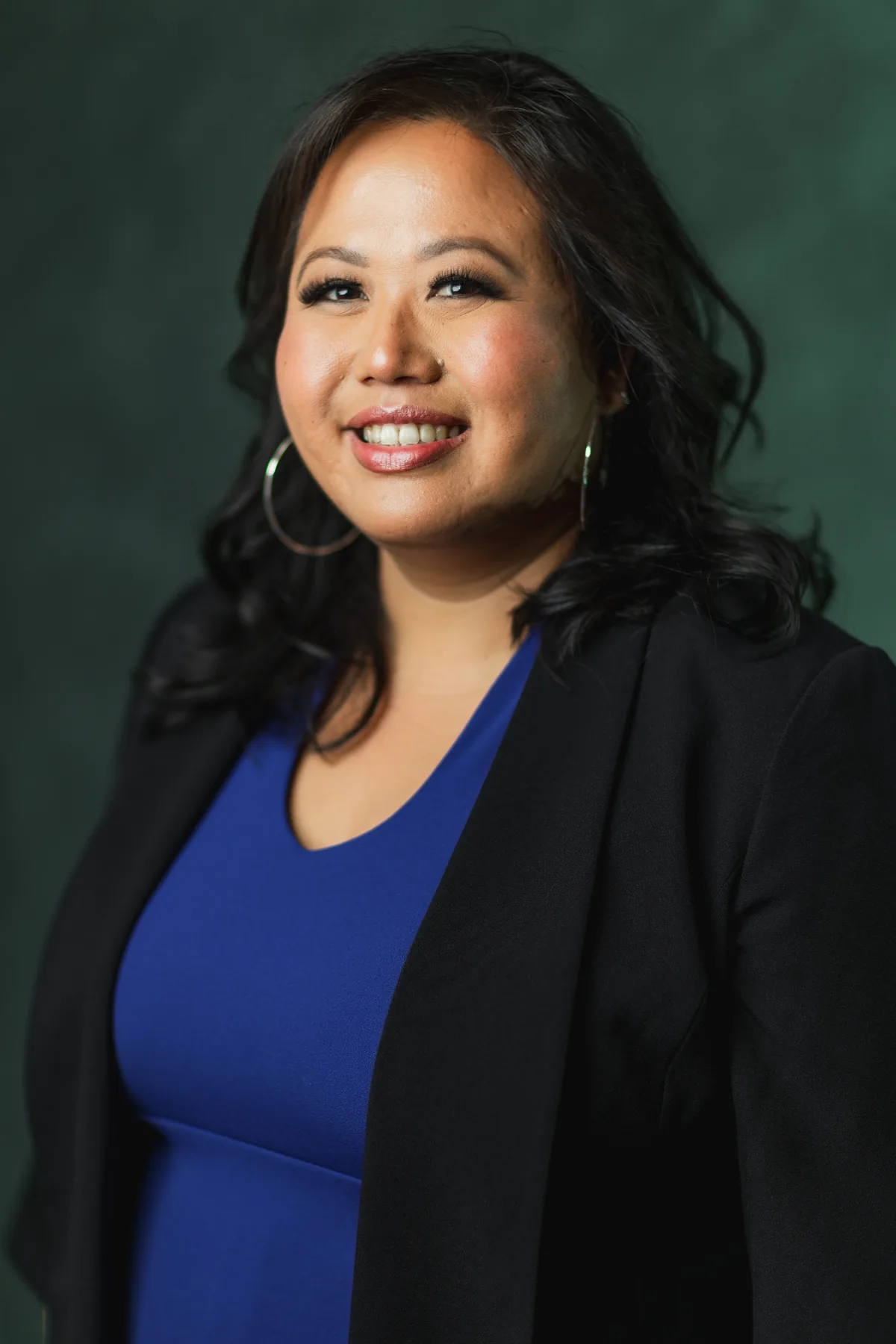
Inna Shankar, Founder & Principal Attorney
Frequently Asked Questions
Let's Discuss Your Case
We're here to help. Tell us about your situation and we'll be in touch within 24 hours.
559-341-2693

Your dedicated legal team
Next Steps
We'll respond within 1 business day