Title IX Attorney for California Schools, Colleges & Universities — Compliance, Investigations & OCR Defense
Schedule a ConsultationOverview of Title IX Compliance
Title IX compliance is not optional - and for California educational institutions, it is not just a federal obligation. California's own Title 9 regulations under the California Code of Regulations impose additional requirements that go beyond federal law. Whether your institution needs to update its policies, respond to a sexual misconduct complaint, conduct a Title IX investigation, or defend an OCR investigation, Shankar Legal Inc. provides experienced legal counsel at every stage. We also represent students and faculty navigating Title IX proceedings as respondents or complainants.
- Comprehensive policy development aligned with federal regulations
- Investigation support for complex Title IX matters
- Training for coordinators, investigators, and hearing officers

Who Shankar Legal Inc. Represents in Title IX Matters
We serve three distinct groups in Title IX matters:
Educational Institutions
We help K-12 schools, community colleges, and universities build compliant Title IX programs - written policies, coordinator training, grievance procedures, and investigation protocols. When a complaint is filed or the OCR comes knocking, we provide defense and strategic guidance. We also assist with broader California education law compliance.
Respondents (Students & Faculty Accused)
If you are a student or faculty member who has been accused in a Title IX proceeding, you have rights - including the right to legal counsel. We protect respondents through the investigation and hearing process, ensure due process is followed, and represent you on appeal when needed.
Complainants
We also represent complainants who believe their institution has not followed proper Title IX procedures or has failed to take appropriate action on their complaint.
How California Title 9 Regulations Go Beyond Federal Law
California institutions cannot rely on federal Title IX regulations alone. The California Code of Regulations, Title 5, along with the Education Code, imposes additional obligations on schools, community colleges, and private postsecondary institutions operating in the state. These include specific notice requirements, timelines for resolving complaints, standards for appeals, and requirements for how institutions publish their policies and identify their Title IX Coordinator.
California also applies its own body of case law governing due process in student discipline. Appellate decisions have repeatedly overturned university findings where the accused student was denied a meaningful opportunity to cross-examine adverse witnesses in cases turning on credibility. An institution that follows the federal floor but ignores California's procedural expectations can still lose in state court.
For institutions in Fresno, Clovis, Madera, Visalia, and across the Central Valley, this means your grievance procedure should be drafted against both frameworks at once, then tested against the way your hearings actually run.
The Title IX Grievance Process, Step by Step
A defensible process follows a predictable sequence, and most institutional exposure comes from skipping or compressing a step.
- Notice and intake. Any report reaching an official with authority triggers the Coordinator's obligation to respond promptly, offer supportive measures, and explain the options for filing a formal complaint.
- Supportive measures. Non-disciplinary, non-punitive accommodations must be offered to both parties regardless of whether a formal complaint follows.
- Written notice of allegations. The respondent receives sufficient detail to prepare a response, including the identities of the parties, the conduct alleged, the date and location, and the presumption of non-responsibility.
- Investigation. Both parties get an equal opportunity to present evidence and identify witnesses, and both receive the evidence for review and comment before the report is finalized.
- Determination. A decision-maker who is not the investigator or the Coordinator applies the announced standard of evidence and issues a written determination with rationale.
- Appeal. Both parties must have equal appeal rights on the announced grounds, decided by someone with no prior role in the matter.
Role separation matters as much as content. When one administrator investigates, decides, and hears the appeal, the outcome is vulnerable regardless of how sound the underlying findings were.
Responding to an OCR Complaint or State Investigation
An Office for Civil Rights complaint typically opens with a notification letter and a broad data request covering policies, training records, complaint logs, and the file for the specific matter at issue. What you produce, and how you frame it, shapes the entire investigation.
We help institutions assemble a complete and consistent production, prepare administrators for interviews, identify compliance gaps before OCR does, and negotiate resolution agreements with terms the institution can realistically meet. An agreement with unrealistic monitoring obligations creates years of follow-on exposure.
Parallel state proceedings, civil litigation by a party, and accreditation inquiries often follow the same facts. Coordinating those tracks from the start prevents inconsistent positions that later become the strongest evidence against you.
Building a Title IX Program That Holds Up
Compliance is a program, not a document. The institutions that weather complaints well have current written policies published where students can find them, a trained Coordinator with real authority and adequate time, investigators and decision-makers who have completed documented training, a records system that captures every report and its resolution, and an annual review of the whole system.
We build and audit these programs for K-12 districts, private schools, community colleges, universities, and private postsecondary institutions throughout California, and we train the people who have to run them.
Common Title IX Issues
Educational institutions face a range of Title IX challenges that require careful legal navigation.
Sexual Harassment Complaints
Responding to allegations of sexual harassment between students, faculty, or staff members.
Investigation Procedures
Conducting fair, thorough investigations that meet regulatory requirements and due process standards.
Policy Development
Creating and updating Title IX policies to reflect current regulations and best practices.
Training & Prevention
Implementing effective training programs for Title IX coordinators, investigators, and decision-makers.
Shankar Legal Inc.'s Approach
We provide comprehensive Title IX support to help your institution maintain compliance and respond appropriately to allegations.
- Policy and procedure development aligned with current Title IX regulations
- Training for Title IX coordinators, investigators, and hearing officers
- Investigation support and oversight for complex cases
- Representation in OCR complaints and administrative proceedings
- Ongoing compliance monitoring and policy updates
Every institution is unique. We tailor our approach to your specific needs, campus culture, and operational requirements.


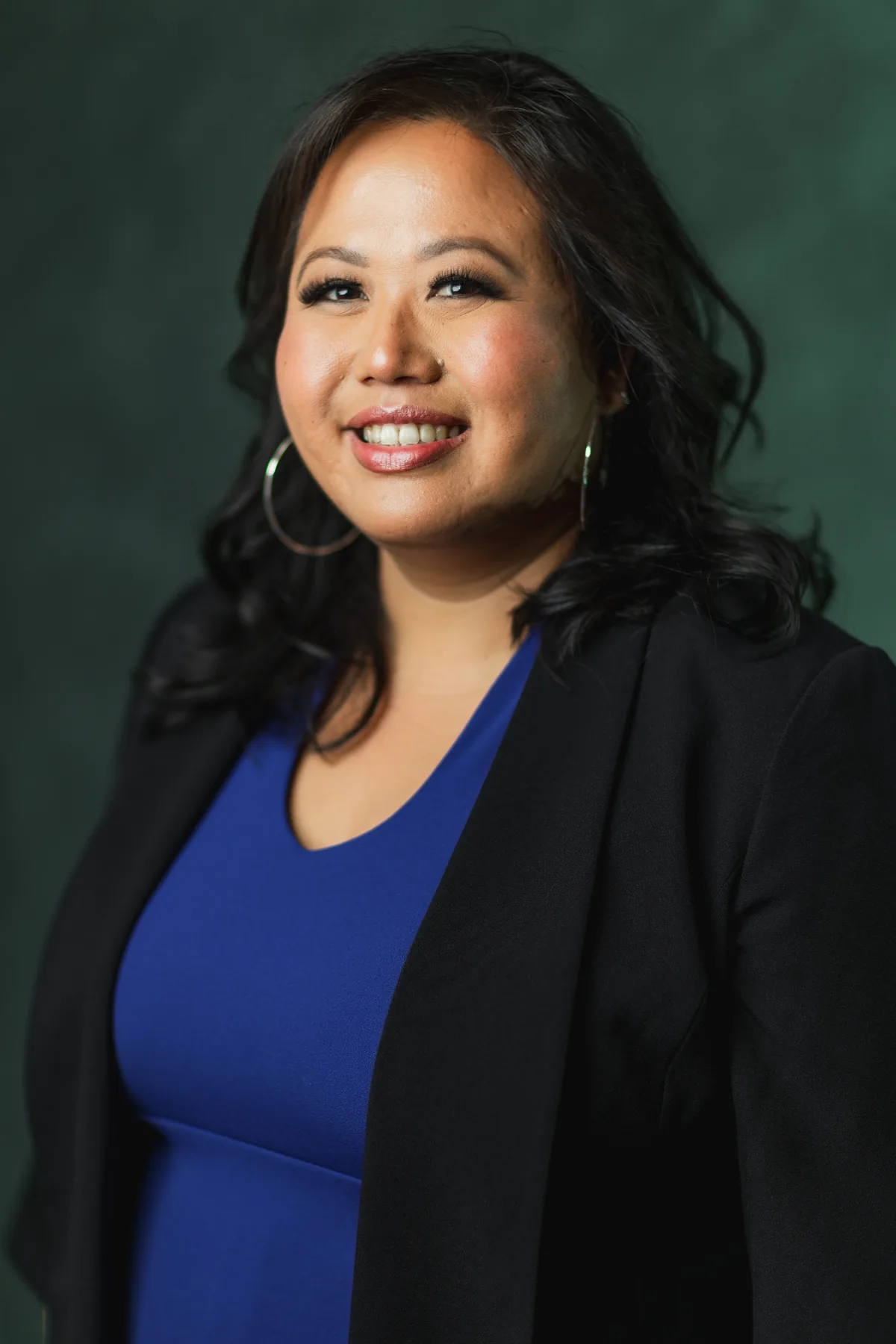
Inna Shankar, Founder & Principal Attorney
Frequently Asked Questions
Title IX Matter in California? Get Counsel Now.
Whether you are an institution managing a complaint, a respondent protecting your rights, or a complainant seeking accountability - we can help.
Speak With a Title IX AttorneyLet's Discuss Your Case
We're here to help. Tell us about your situation and we'll be in touch within 24 hours.
559-341-2693

Your dedicated legal team
Next Steps
We'll respond within 1 business day